
月嫂拒为产妇清理恶露引争议:只顾孩子不管大人,这说得过去吗?
-
 洛杉矶华人月嫂公司
私信
洛杉矶华人月嫂公司
私信
-
产妇虚弱时最需专业照料,月嫂一句‘只照顾宝宝’寒了人心。国家标准明确月嫂应服务母婴双方,包括产妇私密护理。真正的专业,是技能与同理心并存。
New mothers are most in need of professional care when they are weak, but a nanny's statement of "only taking care of the baby" is disheartening. National standards clearly state that nannies should provide services to both mother and baby, including intimate care for the mother. True professionalism lies in the combination of skills and empathy.
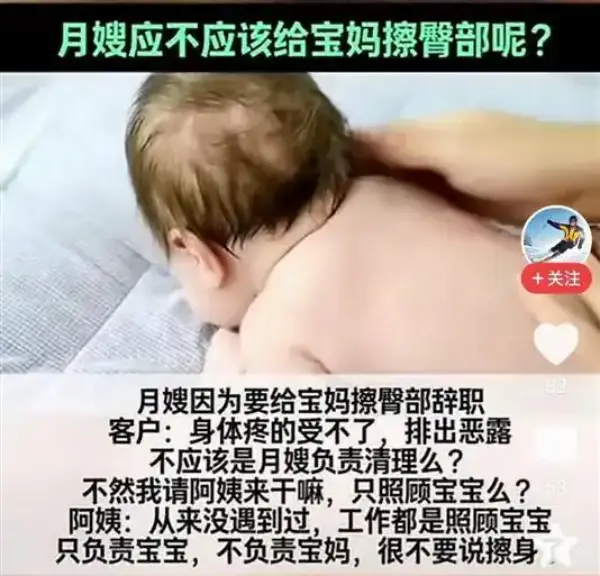
月嫂拒为产妇清理恶露引争议:只顾孩子不管大人,这说得过去吗?
最近网上有个事讨论得挺热闹,上海一位刚生完孩子的宝妈,身体正难受着,排出恶露后自己实在处理不了,就请家里雇的月嫂帮忙清理一下臀部。没想到月嫂一口拒绝了,理由是自己“从来没遇到过这种事”,她的工作就是照顾宝宝,不负责照顾宝妈,更别说擦拭身子这类私密护理了。雇主一听就急了:你不照顾我,我请你来干什么?光照顾宝宝那叫育婴师,不叫月嫂啊!月嫂不就是照顾“坐月子”的人吗?宝妈和宝宝难道不都应该在照顾范围里?不少网友觉得这位月嫂说话太欠考虑,缺乏基本的职业素养和同理心。这种事搁谁身上,恐怕都得把这样的月嫂给辞退了。
这事乍一听挺让人来气的。咱们普通人请月嫂图个啥?不就是图个专业、省心,能把自己和新生儿在最脆弱、最需要帮助的这个月里给照顾好嘛。产妇生完孩子,身体经历了一场“大战”,虚弱、疼痛、行动不便都是常事,恶露排出更是正常的产后生理现象,需要保持清洁以防感染。这个时候自己处理不了,身边最专业的帮手就是月嫂,向她求助是再自然不过的需求。月嫂一句“只照顾宝宝”就给推回来,不仅伤了雇主的心,更暴露了对自身职责理解的严重偏差。
Nanny Refuses to Clean Postpartum Discharge for New Mother, Sparking Controversy: Is it acceptable to only care for the baby and not the mother?
Recently, a heated discussion has been circulating online. A new mother in Shanghai, still recovering from childbirth and experiencing discomfort, asked her hired postpartum nanny to help clean her buttocks after she experienced postpartum discharge. Unexpectedly, the nanny flatly refused, claiming she had "never encountered such a situation before," and that her job was only to care for the baby, not the mother, let alone provide such intimate personal care. The employer was furious: "If you don't take care of me, what did I hire you for? Just caring for the baby makes you a babysitter, not a postpartum nanny! Isn't a postpartum nanny supposed to care for the person recovering from childbirth? Shouldn't both the mother and the baby be within her scope of care?" Many netizens felt the nanny's response was thoughtless and lacked basic professional ethics and empathy. Most people would probably fire such a nanny.
At first glance, this incident is quite infuriating. What do ordinary people expect when they hire a postpartum nanny? They expect professionalism and peace of mind, someone who can take good care of both the mother and the newborn during this most vulnerable and needy month. After childbirth, the mother's body has gone through a "battle," and weakness, pain, and limited mobility are common. Postpartum discharge is a normal physiological phenomenon after childbirth, requiring cleanliness to prevent infection. When the mother can't handle it herself, the most professional helper available is the postpartum nanny, and asking for her help is a perfectly natural request. The nanny's refusal, based on the excuse of "only caring for the baby," not only hurt the employer's feelings but also revealed a serious misunderstanding of her own responsibilities.
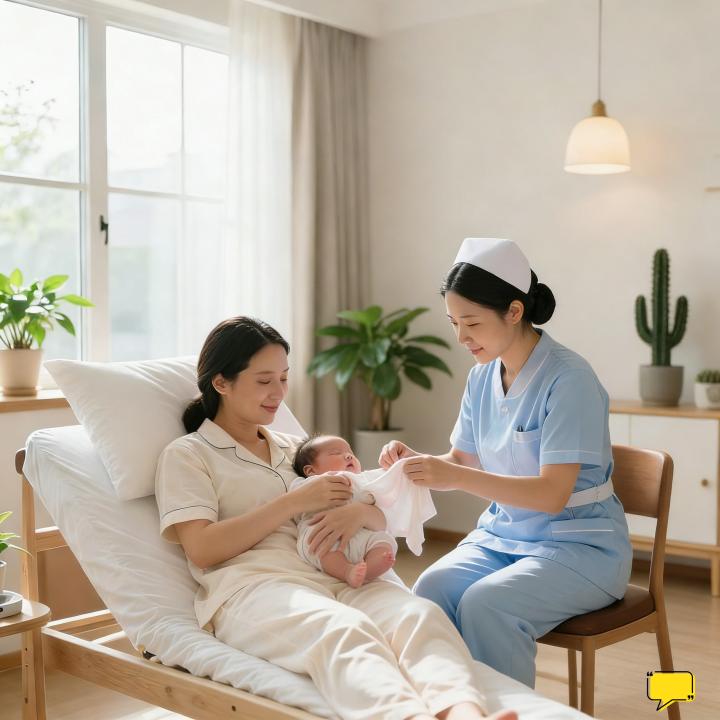
咱们得掰扯掰扯月嫂这工作到底该干些啥。根据《家政服务 母婴生活护理服务质量规范》,月嫂,正式名称叫“母婴生活护理员”,服务对象明确是“产妇和新生儿”。她的工作内容可是白纸黑字写得清清楚楚:对产妇呢,得指导哺乳、协助饮食、观察身体恢复情况、帮助清洁、进行心理疏导;对新生儿,才是喂养、洗澡、抚触那些照料。这里头的“帮助清洁”,自然包括了在产妇无法自理时,协助进行身体清洁,特别是产褥期的会阴护理。只盯着宝宝,把虚弱的妈妈晾在一边,这活干得可就不及格了。有资深家政培训师就讲过,一个合格的月嫂,眼里必须同时有妈妈和孩子,妈妈的恢复直接关系到宝宝的哺育和整个家庭的稳定。那种认为“只管孩子就叫月嫂”的想法,是把这份专业工作给看扁了。
那位月嫂说的“从来没遇到过这种事”,也挺值得琢磨。要么是她入行时间短,经验确实不足;要么就是她以前服务的家庭,要么是家人承担了这部分护理,要么是产妇自己特别坚强。但经验不足不能当作拒绝履行核心职责的借口。这就像请个厨师,他说从来没做过西红柿炒蛋所以不给做,那肯定说不过去。专业的月嫂,在上岗培训时,产后产妇的生理特点、护理要点,包括恶露观察、会阴清洁辅助,都是必须学习和掌握的内容。遇到没独立操作过的情况,更应该在保障产妇尊严和舒适的前提下,谨慎、专业地去完成,而不是用一句“没遇到过”把责任推得干干净净。这反映的不是经验问题,更多是服务意识和职业态度的问题。
从雇主的角度看,寒心是肯定的。花钱请人,是买服务也是买一份安心和支撑。在最需要体力和心理支持的产后阶段,最该指望的人却给了个“软钉子”,那种无助和失望可想而知。坐月子期间,产妇情绪容易波动,这种直接的拒绝很可能加重其心理负担,甚至影响身体恢复。将心比心,谁愿意请个“半截子”帮手回来?所以,很多网友支持雇主辞退这位月嫂,并不是小题大做,而是维护自己合理的消费权益和服务预期。服务行业,尤其是进入家庭提供亲密照料的服务,专业技能和一颗愿意服务、懂得体贴的心,两者缺一不可。
We need to clarify exactly what a postpartum caregiver's job entails. According to the "Household Service Quality Standards for Maternal and Infant Care," a postpartum caregiver, officially called a "Maternal and Infant Life Caregiver," is specifically responsible for "the mother and the newborn." Their job duties are clearly written down: for the mother, they must provide breastfeeding guidance, assist with meals, monitor physical recovery, assist with hygiene, and provide psychological support; for the newborn, they are responsible for feeding, bathing, and other care. The "assistance with hygiene" naturally includes assisting with personal hygiene when the mother is unable to do so herself, especially perineal care during the postpartum period. Focusing only on the baby and neglecting the weak mother is unacceptable. A senior household service trainer has said that a qualified postpartum caregiver must have both the mother and the child in mind; the mother's recovery directly affects the baby's feeding and the stability of the entire family. The idea that "only caring for the child is what a postpartum caregiver does" underestimates this professional job.
The caregiver's statement that she "had never encountered this situation before" is also worth considering. Either she has little experience in the field, or the families she previously served either had family members who handled this part of the care, or the mothers themselves were particularly resilient. However, lack of experience cannot be an excuse for refusing to perform core duties. It's like hiring a chef who says they've never made scrambled eggs with tomatoes before and therefore won't make them – that's simply unacceptable. Professional postpartum caregivers, during their training, must learn and master the physiological characteristics of postpartum mothers, key care points, including lochia observation and assistance with perineal cleaning. When encountering a situation they haven't handled independently before, they should carefully and professionally complete the task while ensuring the mother's dignity and comfort, rather than simply shrugging off responsibility with a "I've never encountered this before." This reflects not a lack of experience, but more a lack of service awareness and professional attitude.
From the employer's perspective, the disappointment is understandable. Hiring someone is about buying a service, but also about buying peace of mind and support. During the postpartum period, when physical and psychological support are most needed, the person they should be able to rely on gives them a cold shoulder. The helplessness and disappointment are unimaginable. During the postpartum period, new mothers are prone to emotional fluctuations. Such a direct refusal could easily exacerbate their psychological burden and even affect their physical recovery. Putting yourself in their shoes, who would want to hire a caregiver who only does half the job? Therefore, many netizens supporting the employer's decision to dismiss the postpartum caregiver are not overreacting, but rather defending their legitimate consumer rights and service expectations. In the service industry, especially in services that involve providing intimate care within the home, professional skills and a willingness to serve with empathy and understanding are both essential.
这件事也给想请月嫂的家庭提了个醒。找月嫂的时候,光看证书和价格还不够,面试时得多问几句,把职责范围聊透。比如可以明确问:“如果产后我身体不便,需要您协助擦浴或者进行一些私密部位的清洁,您能专业处理吗?” 观察对方的反应和回答,是坦然专业,还是犹豫推诿,这能很大程度上判断她的职业认知和服务心态。合同条款也要写清楚服务内容,避免日后扯皮。毕竟,事先沟通得越细致,后续的麻烦就越少。
说到底,月嫂这份工作承载的是一个家庭最初的期待与托付。它需要的不仅是洗奶瓶、换尿布的技能,更需要对生命的尊重、对母性的呵护以及对职业的敬畏。把“照顾月子”简单理解为“只照顾婴儿”,是对这份职业价值的窄化。希望这件事能让一些从业者重新审视自己的角色,也能让市场更加规范。让每一位经历生育艰辛的妈妈,都能得到应有的、专业的照料与温暖,这不该是奢望。
(本文参考了家政服务行业相关国家标准及从业者培训常识进行论述)
真正的照料,源于将心比心的理解,而非冰冷僵化的条款。
This incident also serves as a wake-up call for families looking to hire a postpartum caregiver. When hiring a caregiver, simply looking at certificates and prices is not enough. During the interview, ask plenty of questions and thoroughly discuss the scope of responsibilities. For example, you can explicitly ask: "If I am physically unable to care for myself after childbirth and need assistance with bathing or cleaning intimate areas, can you handle this professionally?" Observe their reaction and answers – whether they are confident and professional or hesitant and evasive – this can largely determine their professional understanding and service attitude. The contract terms should also clearly state the services provided to avoid future disputes. After all, the more detailed the communication beforehand, the fewer problems there will be later.
Ultimately, the job of a postpartum caregiver carries the initial expectations and trust of a family. It requires not only skills like washing bottles and changing diapers, but also respect for life, care for motherhood, and reverence for the profession. Simply understanding "postpartum care" as "only caring for the baby" is a narrow view of the value of this profession. Hopefully, this incident will prompt some practitioners to re-examine their roles and lead to greater standardization in the market. Every mother who has gone through the hardships of childbirth deserves proper and professional care and warmth; this shouldn't be a luxury.
(This article references relevant national standards and common training practices in the domestic service industry.)
True care stems from empathetic understanding, not cold and rigid clauses.
- 展开阅读全文
- 赞 收藏 阅读 2026-01-31
-
洛杉矶华人月嫂公司
私信
相关推荐
-
 美华裔月嫂半夜遭扫地出门 心酸往事涌上心头 A Chinese-American nanny was kicked out of the house in the middle of the nigh
近来美国月嫂行业大热,工资行情水涨船高,华裔月嫂黄阿姨说,日前刚到洛杉矶尔湾市一名产妇家里帮忙,短短六日之后便收到一句话:“阿姨不好意思,服务到此结束
-
 洛杉矶保姆的豪门生活:包吃包住、月入五千美元 The glamorous life of a nanny in Los Angeles: free room and board, and a mont
不知道什么时候起,“保姆”的确成了很多年轻人都羡慕的工作,甚至有传言:“洛杉矶保姆月入五千美元,一步登天的上流生活”。美国生育高峰,而且双职工家庭居多ï¼
-
 第二任是保姆,好莱坞男神为何爱窝边草?His second wife was a nanny. Why did this Hollywood heartthrob fall for someone s
伊桑·霍克在美国得克萨斯州出生。他的父亲在保险公司工作,母亲在慈善机构工作,母亲再婚后,伊桑·霍克跟随母亲从东海岸移居到新泽西州郊区。伊桑·霍克离婚后
-
 美国家政女王玛莎·斯图尔特:没有什么能够打倒我 American lifestyle guru Martha Stewart: Nothing can bring me down.
美国家政女王玛莎MARTHA STEWART 玛莎·斯图尔特创造的“家政王国就是这样影响了美国中产阶级的生活。更是凭借她庞大的家政传媒帝国成为如今的“全美第二女富豪
-
 加拿大住家保姆月嫂工资行情揭秘 Unveiling the salary trends for nannies and maternity nurses in Canada.
越来越多的目光投向了海外就业机会。加拿大住家保姆和月嫂这个职业,因其独特的魅力和优厚的薪资待遇,吸引了众多求职者的关注。那么,2026年加拿大住家阿姨的薪
 0 评论
0 评论  德州月子中心(会所)说
 纽约法拉盛月子中心(会所)说
 旧金山招聘保姆网