
南加州华人雇主与保姆引官司 主仆关系需明确定位 A lawsuit has arisen between a Chinese employer in Southern California and h
-
 洛杉矶华人月嫂公司
微/电:13366982255
洛杉矶华人月嫂公司
微/电:13366982255
-
随着中国新移民的大批涌入南加州,洛杉矶的保姆市场也跟着兴旺起来。随之而来的就是雇主与保姆复杂关系呈现在法庭上,当中既有雇主利用保姆没有身份的弱点,敲诈勒索、盘剥奴役的案件,也有保姆状告雇主不给加班费、性骚扰的案件,而在这种复杂的关系当中,华人最难厘清的就是主仆关系的明确定位。
With the influx of new Chinese immigrants into Southern California, the nanny market in Los Angeles has also flourished. This has led to complex relationships between employers and nannies appearing in court. Cases include employers exploiting nannies' lack of legal status to extort, blackmail, and enslave them, as well as nannies suing employers for withholding overtime pay and sexual harassment. In this complex landscape, the most difficult aspect for Chinese immigrants to clarify is the precise definition of the master-servant relationship.

不要把“主仆”搞成“家人”
洛杉矶华人律师刘龙珠26日介绍了一些相关案例,其中最典型的就是雇主把保姆当做家人对待,经常带保姆吃龙虾、旅游、给她衣服穿,久而久之雇主觉得“我对保姆这么好,她多帮我干点家务是理所当然的”,结果没曾想被保姆告上法庭,说主人不给他加班费。
在法庭上,雇主眼里的小恩小惠却被保姆理解为“捡垃圾”,你不穿的衣服给我,让我和你一起吃剩饭剩菜,我凭什么要对你感恩戴德,就凭这些你就可以让我在你家没日没夜地干活而不给加班费吗?雇主也很委屈,觉得“我给保姆的衣服都是名牌,我对她这么好,凭什么她恩将仇报,到法院告我”?
由于雇主对保姆太好了,有时候有些保姆也会产生一些错觉,真的以为自己就是家庭成员了,拿主人的东西就像拿自己的一样随便,拿5000美元的菜钱没花完也不主动还给主人,顺手就揣到自己的兜里;拿了主人的劳力士表,以为主人不要了,所以心安理得地戴在自己的手上,结果被主人告上法庭的事也大有人在。
Don't Treat "Master and Servant" Like "Family Members"
Los Angeles-based Chinese lawyer Liu Longzhu introduced several relevant cases on the 26th. The most typical example is an employer treating their nanny like family, frequently taking her out for lobster, trips, and giving her clothes. Over time, the employer felt, "I'm so good to the nanny, it's only natural she'd help me with housework." Unexpectedly, the nanny sued him, claiming the employer wasn't paying her overtime.
In court, the nanny perceived the employer's small acts of kindness as "picking up trash." She argued, "You give me your old clothes, make me eat leftovers with you, why should I be grateful? Just because of these things, does that give you the right to make me work day and night without overtime pay?" The employer also felt wronged, feeling, "I give the nanny designer clothes, I'm so good to her, why is she repaying kindness with ingratitude and suing me?"
Because employers treat their nannies too well, some nannies sometimes develop a misconception that they are family members. They take their employers' things as casually as if they were their own. For example, they might take $5,000 worth of groceries and not return it to their employers, but simply put it in their pockets. Or they might take their employers' Rolex watches and assume that their employers no longer want them, so they wear them without a second thought. As a result, there are many cases where employers have taken them to court.

关系变质,两败俱伤
另一种常见的现象是保姆勾搭女雇主的老公。很多保姆认为自己既年轻又漂亮,凭什么要做别人的奴隶。于是保姆称自己怀孕,要挟雇主与妻子离婚,否则就鱼死网破,状告雇主性骚扰,强奸罪。
也有的雇主利用保姆没有身份的弱点,占保姆的便宜,对方如果不从,轻者不给工钱,重则告到移民局,说对方是非法移民。虽然对方因为身份问题被遣送回国,但没想到的是雇主自己也因为犯下了勒索罪而锒铛入狱。
Relationships deteriorate, resulting in mutual harm.
Another common phenomenon is nannies seducing their female employers' husbands. Many nannies believe that because they are young and beautiful, why should they be someone's slave? So, the nanny claims to be pregnant, blackmailing the employer into divorcing his wife, threatening further harm if he doesn't, including suing the employer for sexual harassment and rape.
Some employers also exploit the nanny's lack of legal status, taking advantage of her. If she refuses, they withhold wages, or even report her to immigration authorities, claiming she is an illegal immigrant. Although the nanny is deported due to her immigration status, the employer himself unexpectedly ends up in jail for extortion.

一生献给主人,拿点理所应当
刘律师举了一个实际案例,橙县一个保姆在华人雇主家干了几十年,从女主人怀孕到小孩长到十几岁,一直伺候到雇主过世。女主人感念保姆对一家的照顾,把她视为家人,就连孩子都叫保姆“妈妈”。时间久了保姆也真的把自己不当外人了,在家里举手投足越发轻飘起来,家里的东西随便拿,抽屉里的钱随便花,以至于最后发展到偷雇主的东西,结果被儿子发现要报警,最后被女主人拦下,告诉儿子“她毕竟把你从小养大,那几万美元就当是对保姆的感谢费了”。
儿子的告状让保姆非常寒心,觉得自己的一生都献给了这个家庭,拿了一点钱有什么了不起的。已经70多岁准备告老还乡的她于是反过来把主人给告上了法庭,说自己在女主人家干了一辈子,从来没给过加班费。
Dedicated her life to her employer, she felt entitled to a little something.
Attorney Liu cited a real-life example: a nanny in Orange County worked for a Chinese employer for decades, from the woman's pregnancy to the child's teenage years, caring for the employer until her death. The woman, grateful for the nanny's care, treated her like family, even having her child call her "Mom." Over time, the nanny truly took for granted, becoming increasingly arrogant and unrestrained in the house, taking things without permission and spending money from drawers. Eventually, she even stole from the employer. When her son discovered this and threatened to call the police, the woman stopped him, telling him, "She raised you from childhood; consider those tens of thousands of dollars a thank-you fee."
The son's complaint deeply hurt the nanny. She felt she had dedicated her life to the family, and taking a little money was no big deal. Now in her seventies and preparing to retire, she sued the employer, claiming she had worked for the woman her entire life without ever receiving overtime pay.

主仆签约口说无凭
从上述案例当中刘律师总结道,主仆之间毕竟是商业关系,所以不要搞得太亲密,尽量不要找住家保姆,因为住家保姆即便没干活,既便在睡觉,看电视也属于上班,只要她处于待命状态,主人都要付费,甚至要给加班费。
他建议主仆之间一定要签合同,不能仅限于口头协议。不管主人对仆人多么好,都不可以用做借口要求对方多帮忙,不能说你给她吃了顿龙虾,给了她几件旧衣服,就觉得人家欠你的,就可以让人家多干活,占人家的便宜。
刘律师建议保姆要自尊自爱,不要贪小便宜,避免吃人家的嘴短,即便对方给你吃龙虾,给你衣服穿,也要礼貌婉拒。美国是法制国家,要学会用法律保护自己的合法权益,不要被“人情味”搅乱了主仆关系。
A verbal contract between master and servant is insufficient.
From the above cases, Attorney Liu concludes that the master-servant relationship is ultimately a business relationship, so it shouldn't be too intimate. It's best to avoid hiring live-in nannies, because even if a live-in nanny isn't doing any work—even sleeping or watching TV—it's still considered work. As long as she's on standby, the employer must pay her, even for overtime.
He advises that a contract must be signed between master and servant, not just a verbal agreement. No matter how good the employer is to the servant, it shouldn't be used as an excuse to demand more help. Just because you gave her lobster or some old clothes doesn't mean she owes you anything and can demand more work or take advantage of you.
Attorney Liu advises nannies to have self-respect and not be greedy for small favors. Avoid being beholden to those who offer you food or clothes; politely decline. The United States is a country governed by the rule of law; learn to protect your legal rights using the law and don't let personal relationships cloud your master-servant relationship.
- 展开阅读全文
- 赞 收藏 阅读 2026-02-12
-
洛杉矶华人月嫂公司
微/电:13366982255
相关推荐
-
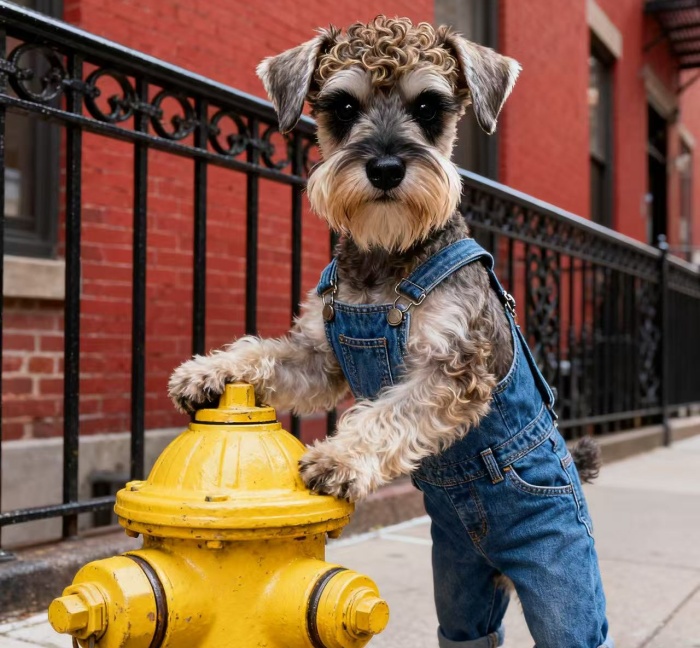 美国亿万富翁家庭高薪招聘狗保姆:年薪高达91万美元 A wealthy American family is offering a high salary for a dog nanny: up to
位于英国的一户美国亿万富翁家庭,正以12.7万美元(折合人民币约91万元)的丰厚年薪,广招住家狗保姆。招聘广告详细阐述了对应聘者的期望:一位杰出且经验丰富的员
-
 梅根是读电影研究的美国女孩,也是我宝宝的保姆 Megan is an American girl studying film studies and my baby's nanny
在美国从事保姆职业的人口有近二十二万人,其中近九成为女性。保姆的平均时薪为$18.36,其中薪金最高的城市旧金山时薪为$21.17,纽约的平均时薪为$18.94。拿到了
-
 为什么有钱人都喜欢不停地生孩子?Why do wealthy people like to keep having children?
tribunal调查发现,他当时已经在办理至少8个孩子的代孕formality。徐波通过视频出庭,说自己没空见孩子,孩子都养在洛杉矶尔湾的豪宅里由保姆照顾。为什么选美国
-
 风靡美国的旧金山“男保姆”服务公司ManServants的起源与服务
旧金山硅谷地区,有一家别具一格的家政公司—— ManServants,其直译即为“男保姆”。这家公司专门出租帅哥,为客户提供各种服务。实际上,ManServants的服务已
-
 月嫂拒为产妇清理恶露引争议:只顾孩子不管大人,这说得过去吗?
产妇虚弱时最需专业照料,月嫂一句‘只照顾宝宝’寒了人心。根据《家政服务 母婴生活护理服务质量规范》明确月嫂应服务母婴双方,包括产妇私密护理。真正的专业ï¼
 旧金山的月子中心会所
 0 评论
0 评论